
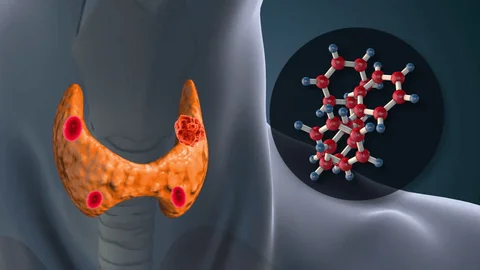
The thyroid is a small gland located at the base of the neck, but its role in the body is anything but small. It controls how your body uses energy, regulates metabolism, and influences many vital functions including heart rate, body temperature, and even mood. Despite its importance, thyroid health is often overlooked until noticeable symptoms begin to appear.
Thyroid disorders are generally categorized into two main types. Hypothyroidism occurs when the thyroid gland does not produce enough hormones, while hyperthyroidism happens when it produces too much. Both conditions can disrupt the body in different ways and can affect people of all ages.
One of the challenges with thyroid disorders is that their symptoms can be subtle and easily mistaken for other issues. In hypothyroidism, people often experience fatigue, weight gain, dry skin, hair thinning, and a feeling of sluggishness. These symptoms may develop gradually, making them easy to ignore or attribute to stress or lifestyle changes. On the other hand, hyperthyroidism may present with symptoms such as rapid heartbeat, weight loss despite normal eating, anxiety, irritability, and excessive sweating.
Ignoring these signs can lead to complications over time. Untreated hypothyroidism can contribute to high cholesterol levels, heart problems, and even fertility issues. Hyperthyroidism, if left unmanaged, can increase the risk of heart rhythm disorders and bone thinning. This is why early recognition and proper diagnosis are important.
Diagnosis typically involves a blood test that measures levels of thyroid hormones and thyroid stimulating hormone. These tests help doctors determine whether the thyroid is underactive or overactive. In some cases, additional imaging or antibody tests may be required to identify the underlying cause.
Treatment depends on the type and severity of the condition. Hypothyroidism is commonly managed with daily medication that replaces the missing hormone. This treatment is usually lifelong but is highly effective when taken consistently. Hyperthyroidism may be treated with medications that reduce hormone production, or in some cases, procedures that target the thyroid gland directly.
Lifestyle also plays a role in supporting thyroid health. A balanced diet that includes essential nutrients such as iodine, selenium, and zinc can help maintain proper thyroid function. However, it is important not to self medicate with supplements without professional advice, as excessive intake can sometimes worsen the condition.
Stress management is another key factor. Chronic stress can affect hormone balance in the body and may indirectly influence thyroid function. Simple practices such as regular physical activity, adequate sleep, and mindfulness techniques can support overall hormonal health.
It is also worth noting that thyroid disorders are more common in women and may be influenced by genetic factors. Regular health checkups become especially important if there is a family history of thyroid issues or if symptoms begin to appear.
Raising awareness about thyroid health is essential because early detection can make a significant difference in treatment outcomes. Many people live with thyroid conditions without realizing the root cause of their symptoms. With proper medical care and lifestyle adjustments, most individuals can manage their condition effectively and lead a healthy life.
Understanding your body and paying attention to changes is the first step. If something feels off consistently, it is worth investigating rather than ignoring. The thyroid may be small, but when it is out of balance, it has a noticeable impact on everyday life.